Often called the “mother of all cannabinoids,” CBG (cannabigerol) is gaining attention for its potential wellness benefits without any psychoactive effects.
While CBD and THC have dominated the spotlight, CBG is the compound from which they both originate, making it one of the most important cannabinoids in the hemp plant.
In this guide, we explore what CBG is, how it works in the body, and why Canadians are increasingly turning to CBG products for support with focus, mood, and digestive health.
What Is CBG?
CBG, short for cannabigerol, is a naturally occurring compound found in the cannabis plant. It is considered a minor cannabinoid because it typically exists in smaller quantities compared to CBD or THC. Despite its low concentration, CBG plays a major role in the cannabis plant’s life cycle.
In its early stages, the plant produces cannabigerolic acid (CBGA), which is the precursor to several other cannabinoids. As the plant matures, enzymes convert most of the CBGA into CBD, THC, and other compounds. The small amount of CBGA that remains becomes CBG when exposed to heat or light.
Unlike THC, CBG is non-intoxicating. This means it will not produce a high or impair your thinking. Instead, it interacts with the body’s endocannabinoid system in a way that may offer several potential health benefits, which we will explore in the next sections.
What Are CBG Gummies
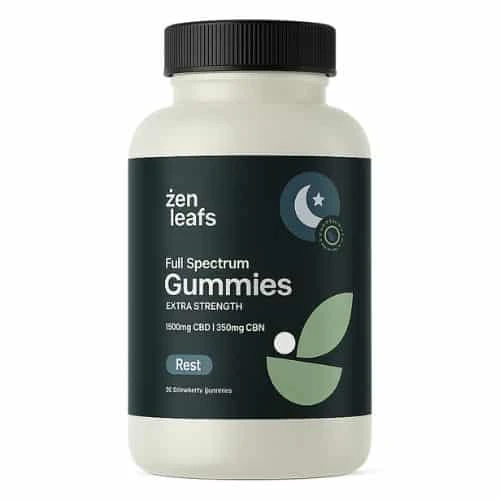
CBG gummies are edible supplements that contain a measured dose of cannabigerol in each piece. They are made by infusing CBG extract into a gummy base, often alongside other cannabinoids like CBD or CBN.
These gummies are popular for their convenience, long shelf life, and consistent dosing. In Canada, CBG gummies are increasingly used as a wellness aid, particularly for those looking to support focus, mood, or digestive balance without smoking or vaping.
What is CBG Oil
CBG oil is a liquid extract made by blending CBG-rich hemp extract with a carrier oil such as MCT, hemp seed, or olive oil. It is taken sublingually (under the tongue) or added to food or drinks.
CBG oil is ideal for users who want fast-acting and customizable doses, and it often comes in full-spectrum or isolate forms. In Canada, high-quality CBG oils are third-party tested for purity and are often combined with other cannabinoids for a wider range of effects.
What Are CBG Capsules
CBG capsules are softgels or hard capsules that contain a pre-measured dose of CBG oil or powder. They offer a tasteless and portable option for those who prefer a familiar supplement format.
Capsules are typically slower to absorb than oils or vapes but provide long-lasting effects. Many Canadians choose CBG capsules for daily wellness support, especially when convenience and precision are priorities.
What Are CBG Vapes
CBG vapes deliver cannabigerol through inhalation using a vape pen or cartridge. This method allows the compound to enter the bloodstream quickly, making it one of the fastest-acting ways to experience CBG.
Vapes may contain CBG isolate or broad-spectrum hemp extract, and they come in various natural or terpene-enhanced flavors. CBG vapes are ideal for users who want immediate effects, though they may not be suitable for everyone due to respiratory concerns.
What Is CBG Isolate
CBG isolate is the purest form of cannabigerol, containing 99 percent or more CBG with no other cannabinoids, terpenes, or plant compounds.
It usually appears as a fine white powder and can be mixed into oils, edibles, or topical products. Isolate is ideal for users who want high precision or are avoiding other cannabinoids like THC. In Canada, CBG isolate is often used in custom formulations or DIY products for sleep, anxiety, or general wellness.
How is Cannabigerol (CBG) Different from Marijuana and Hemp
CBG is a cannabinoid, not a plant. It comes from both marijuana and hemp, but the final product depends on how it is extracted and processed.
Marijuana refers to cannabis plants that contain high levels of THC, the compound responsible for the high or intoxicating effects. These plants often contain very little CBG, since most of the cannabigerol is converted into THC and CBD as the plant matures. CBG extracted from marijuana is typically regulated and may be subject to local cannabis laws.
Hemp, on the other hand, is a type of cannabis plant that contains less than 0.3 percent THC and is federally legal in Canada. Most commercially available CBG products are derived from hemp because it offers high levels of CBG without the intoxicating effects of THC. This makes hemp-derived CBG suitable for everyday use and legal for sale across the country.
How is Cannabigerol (CBG) Different from Cannabidiol (CBD)
CBG and CBD are both non-intoxicating cannabinoids found in the hemp plant, but they interact with the body in different ways and may offer unique benefits.
CBG is often referred to as the precursor or “parent” cannabinoid because it is the first compound formed in the cannabis plant before converting into other cannabinoids like THC and CBD. CBG is believed to have a stronger affinity for both CB1 and CB2 receptors in the body’s endocannabinoid system, which may explain its potential effects on mood, inflammation, focus, and digestion.
CBD, on the other hand, is more abundant in mature hemp plants and has been widely researched for its calming and anti-inflammatory properties. It does not bind directly to cannabinoid receptors but works by influencing other receptors and balancing the body’s overall system.
While both cannabinoids are often used for stress, sleep, and pain support, CBG may offer more targeted effects for mental clarity, appetite stimulation, and gut health, while CBD is more commonly associated with relaxation, anxiety relief, and general wellness.
How is Cannabigerol (CBG) Different from Cannabinol (CBN)
CBG and CBN are both non-intoxicating cannabinoids, but they are completely different in origin, effects, and how they interact with the body.
CBG is considered a foundational cannabinoid. It appears early in the plant’s lifecycle and is the chemical precursor to THC, CBD, and other cannabinoids. CBG is known for its potential effects on focus, mood balance, appetite, and digestive health. It binds to both CB1 and CB2 receptors, which may allow it to support both the brain and body.
CBN, in contrast, is a breakdown product of THC. It forms naturally over time as THC ages and oxidizes, which is why CBN is often found in older cannabis material. While it is mildly psychoactive in very large doses, it is generally considered non-intoxicating. CBN is most often used for sleep support due to its calming and sedative-like properties.
In simple terms, CBG is uplifting and focus-enhancing, while CBN is relaxing and sleep-promoting.
Potential Benefits of CBG
While research on CBG is still emerging, early studies and user reports suggest that it may offer a variety of wellness benefits. Unlike THC, CBG is non-intoxicating and interacts with both CB1 and CB2 receptors, which are part of the body’s endocannabinoid system.
Focus and Mental Clarity: CBG may support cognitive function and help promote mental clarity. Some users report feeling more alert and balanced without the jittery effects of stimulants.
Mood Support: Preliminary research suggests CBG may influence serotonin receptors, which play a role in mood regulation. It may help ease occasional stress and support emotional balance.
Digestive Health: CBG has shown promise in supporting gut function. Animal studies suggest it may help reduce inflammation in the digestive tract, making it of interest to those with sensitive digestion.
Appetite Stimulation: Unlike CBD, which may suppress appetite, CBG may help stimulate it. This can be helpful for people managing appetite loss related to stress or certain health conditions.
Neuroprotective Properties: Early lab research suggests CBG may offer protective benefits for nerve cells and the brain, although more human studies are needed.
Anti-Inflammatory Effects: CBG may help reduce inflammation in the body, which could support relief from joint discomfort or minor aches.
Is CBG Safe
Current research suggests that CBG is generally safe and well-tolerated when used responsibly. Like CBD, CBG is non-intoxicating and does not cause a high. It interacts with the body’s endocannabinoid system in a natural way and is not associated with addiction, impairment, or serious side effects.
Most users report mild or no side effects. When they do occur, side effects may include dry mouth, slight drowsiness, or changes in appetite. These effects are usually temporary and may depend on dosage, individual body chemistry, or the presence of other cannabinoids.
To ensure safety, it is important to:
- Choose CBG products from reputable Canadian brands
- Look for third-party lab results that confirm purity and potency
- Start with a low dose and adjust as needed
- Avoid combining with alcohol or sedating medications without medical advice
If you are pregnant, breastfeeding, or taking prescription medications, it is recommended to consult a healthcare professional before using CBG.
How Can CBG Be Taken
Oils: CBG oils are taken sublingually (under the tongue) for quick absorption into the bloodstream. They offer flexible dosing and are often combined with CBD for enhanced wellness support throughout the day.
Gummies: CBG gummies provide a convenient and enjoyable way to take CBG. Each gummy contains a pre-measured dose and is absorbed more slowly, delivering longer-lasting effects that are ideal for focus or mood balance.
Capsules: CBG capsules offer a flavor-free and consistent option. They’re perfect for users who prefer a simple, daily supplement without the taste or mess of oils.
Isolates: CBG isolate is a pure powdered form of cannabigerol. It can be added to oils, smoothies, or DIY recipes. While highly versatile, it requires accurate measuring to ensure proper dosing.
Vapes: CBG vapes deliver effects almost instantly, making them ideal for those looking for quick relief. However, this method may not suit everyone, especially individuals who avoid inhaled products.
Potential Side Effects of CBG
CBG is generally well-tolerated, but like any supplement, it may cause side effects in some people. Most side effects are mild and temporary, especially when CBG is taken in appropriate doses.
Dry Mouth: Some users report a dry or cottonmouth sensation after taking CBG. Staying hydrated can help reduce this effect.
Drowsiness: Although CBG is often associated with focus and alertness, it may cause mild drowsiness in higher doses or when combined with other relaxing cannabinoids like CBD or CBN.
Appetite Changes: CBG may increase or decrease appetite depending on the individual. This effect varies based on body chemistry and the type of product used.
Digestive Discomfort: In rare cases, CBG may cause nausea or stomach upset, especially when taken in large amounts or on an empty stomach.
Medication Interactions: Like other cannabinoids, CBG may affect how your body processes certain medications. If you take prescription drugs, especially those with a grapefruit warning, speak with a healthcare provider before using CBG.